
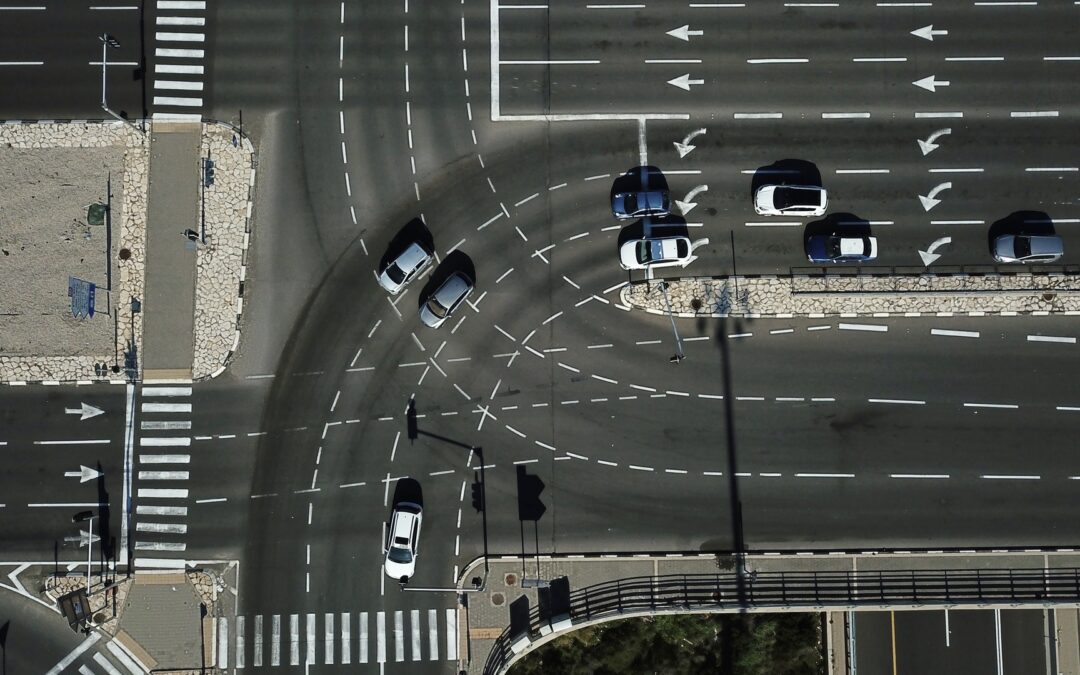
Every driver in Georgia knows that moment of tension when approaching a busy intersection to make a left turn. Your hands grip the wheel a little tighter as you judge the speed of oncoming traffic, calculate whether you have enough time, and hope other drivers are paying attention. It’s a maneuver we perform countless times, yet left turns remain one of the most dangerous movements on Georgia roads, accounting for a disproportionate number of serious crashes, injuries, and fatalities across the state.
The statistics paint a sobering picture. According to the National Highway Traffic Safety Administration, approximately 22% of all intersection crashes involve left turns, compared to just 1.2% for right turns. In Georgia, where sprawling metropolitan areas meet rural highways and traffic volumes continue to surge, certain intersections have gained notorious reputations as left-turn danger zones. Understanding why these crashes occur, which intersections pose the greatest risks, and how to protect yourself both as a driver and potentially as an accident victim can literally save lives.
The Physics and Psychology Behind Left Turn Dangers
Left turns are inherently more dangerous than most other driving maneuvers due to a combination of factors that challenge even experienced drivers. When making a left turn, you must accurately judge the speed and distance of oncoming vehicles, often through multiple lanes of traffic. This split-second decision-making happens while your vehicle is in one of its most vulnerable positions, exposed in the intersection with minimal protection from side impacts.
The human brain struggles with accurately perceiving the speed of oncoming vehicles, particularly larger vehicles like trucks and SUVs that may be traveling faster than they appear. This perceptual challenge is compounded in Georgia’s varied lighting conditions, from the glaring sun on I-285 during rush hour to the dimly lit rural intersections in South Georgia. Add in the pressure of impatient drivers behind you, and it’s easy to see why judgment errors occur.
Georgia’s intersection designs often exacerbate these natural challenges. Many older intersections lack dedicated left-turn signals, forcing drivers to find gaps in oncoming traffic. Even at intersections with left-turn arrows, the timing often feels insufficient during peak hours, leading to aggressive driving as motorists rush to make it through before the light changes. The notorious “Georgia left,” where drivers gun it at the instant a light turns green to beat oncoming traffic, has become a dangerous cultural norm at many intersections.
Georgia’s Most Notorious Left Turn Accident Intersections
Certain intersections across Georgia have earned reputations as particularly dangerous for left-turn accidents. In metro Atlanta, the intersection of Piedmont Road and Sidney Marcus Boulevard consistently ranks among the most accident-prone locations. The complex geometry, high speeds, and heavy traffic volumes create a perfect storm for left-turn collisions. Drivers attempting to turn left from Sidney Marcus onto Piedmont must navigate multiple lanes of fast-moving traffic while dealing with limited sight lines caused by the intersection’s elevation changes.
The intersection of Highway 92 and Highway 120 in Roswell presents another notorious challenge. This intersection combines high-speed traffic from Highway 92 with heavy commercial traffic accessing nearby shopping centers. Left-turning vehicles must judge gaps in traffic moving at 55+ mph, while also watching for drivers making sudden lane changes to access businesses. The result is a steady stream of t-bone collisions that have made this intersection one of North Fulton’s most dangerous.
In Gwinnett County, the intersection of Pleasant Hill Road and Club Drive near the Mall of Georgia sees frequent left-turn accidents. The combination of mall traffic, multiple turn lanes, and drivers unfamiliar with the area creates confusion and poor decision-making. During holiday shopping seasons, accident rates at this intersection can double as stressed shoppers make risky left turns trying to navigate between parking areas and access roads.
Downtown Atlanta presents unique challenges with intersections like Peachtree Street and 10th Street. Here, left-turning drivers must contend not only with vehicle traffic but also with heavy pedestrian activity. The urban environment creates additional blind spots from parked cars, delivery trucks, and street furniture. Many drivers underestimate the time needed to clear the intersection safely while yielding to pedestrians, leading to crashes with oncoming vehicles.
Rural Georgia isn’t immune to left-turn dangers. The intersection of Highway 441 and Highway 365 in Habersham County has seen numerous fatal left-turn crashes. The combination of highway speeds and drivers accustomed to light traffic can lead to catastrophic misjudgments. When drivers who rarely encounter heavy traffic attempt left turns across multiple lanes of vehicles traveling at 65+ mph, the results are often tragic.
Understanding Liability in Left Turn Accidents
Georgia law generally presumes that a driver making a left turn is at fault when a collision occurs with oncoming traffic. This presumption stems from Official Code of Georgia Annotated (O.C.G.A.) § 40-6-71, which requires left-turning drivers to yield the right-of-way to approaching vehicles. However, this presumption isn’t absolute, and understanding the nuances of liability can be crucial for both preventing accidents and protecting your rights if you’re involved in one.
The left-turning driver bears the responsibility of ensuring the turn can be completed safely. This means accurately judging not only the distance and speed of oncoming vehicles but also considering factors like weather conditions, visibility, and the turning radius required. Georgia courts have consistently held that “I thought I had time” isn’t a valid defense when a left-turning driver causes a collision.
However, oncoming drivers aren’t given carte blanche to barrel through intersections. They have a duty to maintain reasonable speed, obey traffic signals, and remain attentive. If an oncoming driver is speeding excessively, runs a red light, or is distracted, they may share liability for the crash. Georgia’s comparative negligence law allows for apportioning fault between parties, meaning a left-turning driver might be 80% at fault while the oncoming driver bears 20% responsibility.
Proving liability often requires detailed investigation. Skid marks can reveal vehicle speeds and driver reactions. Traffic camera footage, increasingly common at Georgia intersections, provides objective evidence of signal timing and driver behavior. Witness statements help establish whether drivers had green lights, yellow lights, or were trying to beat red lights. Electronic data recorders in modern vehicles can provide precise information about speed, braking, and steering inputs in the moments before impact.
Common Factors Contributing to Left Turn Crashes
Distracted driving has become an epidemic on Georgia roads, and it’s particularly deadly during left turns. When drivers glance at phones, adjust GPS systems, or tend to passengers while turning left, they lose crucial seconds of attention needed to track oncoming traffic. Georgia’s Hands-Free Law has helped reduce phone-related distractions, but the problem persists. Many left-turn accidents occur when distracted drivers begin their turn based on an outdated assessment of traffic conditions.
Aggressive driving culture in metro Atlanta contributes significantly to left-turn accidents. The pressure to “make the light” leads drivers to attempt turns through impossibly small gaps in traffic. This behavior is especially prevalent during rush hours when commuters feel stressed about reaching their destinations. The competitive driving environment makes drivers more likely to accelerate through yellow lights, both as oncoming traffic and when turning left, creating dangerous closing speeds.
Poor visibility conditions plague many Georgia intersections. Sun glare during morning and evening commutes can make it nearly impossible to see oncoming traffic. Heavy rain, common during Georgia summers, reduces visibility and increases stopping distances. Fog in North Georgia mountain areas creates particularly hazardous conditions. Many serious left-turn accidents occur when drivers proceed with turns despite inadequate visibility, assuming the path is clear.
Infrastructure deficiencies at older intersections compound these problems. Inadequate lighting makes nighttime left turns treacherous. Worn pavement markings leave drivers unsure of proper positioning. Confusing signage or poorly timed signals create uncertainty about who has the right-of-way. While Georgia DOT works to upgrade dangerous intersections, budget constraints mean many hazardous locations remain unchanged for years.
Protecting Yourself: Defensive Driving Strategies
Mastering safe left turns requires developing consistent habits and heightened awareness. Always position your vehicle properly in the turn lane, keeping wheels straight until you’re ready to turn. This prevents being pushed into oncoming traffic if rear-ended. Use your turn signal early to communicate intentions to all surrounding drivers, not just those behind you.
When approaching an intersection for a left turn, scan the entire environment, not just oncoming traffic. Check for pedestrians, cyclists, and vehicles that might run red lights from cross streets. In multi-lane situations, watch for vehicles in far lanes that might be hidden behind closer traffic. Never assume that a gap in the near lane means all lanes are clear.
Patience saves lives when making left turns. If you’re unsure whether you have adequate time, wait. The few seconds saved by making a risky turn pale in comparison to the consequences of a collision. At unsignalized intersections, consider whether alternate routes with protected left turns might be safer, especially during peak traffic times.
Night driving requires extra caution for left turns. Judging the speed of approaching headlights is notoriously difficult. When in doubt, wait for clearly safe gaps. Use your high beams when legal to better illuminate the intersection, but dim them promptly for oncoming traffic. Be particularly wary of motorcycles, which present a single headlight that’s harder to track and judge for speed.
Legal Rights and Responsibilities After a Left Turn Accident
If you’re involved in a left-turn accident in Georgia, your immediate actions can significantly impact both your physical recovery and legal rights. Always prioritize safety first. Move to a safe location if possible, but don’t leave the scene. Call 911 immediately, even for seemingly minor accidents. Police reports provide crucial documentation, and hidden injuries often manifest hours or days after crashes.
Document everything at the scene. Take photos from multiple angles showing vehicle positions, damage, skid marks, traffic signals, and road conditions. Get contact information from all witnesses, as their statements may prove invaluable later. Don’t admit fault or speculate about what happened. Stick to factual statements when speaking with police and other parties.
Seek medical attention promptly, even if you feel fine initially. Adrenaline masks pain, and conditions like whiplash or concussions may not show immediate symptoms. Having medical documentation linking injuries to the accident is crucial for any insurance claim or legal action. Follow all treatment recommendations and keep detailed records of medical expenses, lost wages, and how injuries impact your daily life.
Georgia’s statute of limitations gives you two years from the accident date to file a personal injury lawsuit, but don’t wait. Evidence disappears, witnesses forget details, and insurance companies may take advantage of delays. Consult with an experienced attorney who understands Georgia traffic law and can investigate your case thoroughly. They can handle insurance negotiations while you focus on recovery.
The Role of Technology in Preventing Left Turn Accidents
Modern vehicle technology offers promising solutions to the left-turn danger. Many newer vehicles include blind spot monitoring and cross-traffic alerts that can warn drivers of approaching vehicles they might not see. Advanced driver assistance systems (ADAS) can detect potential collisions and apply emergency braking. While not foolproof, these technologies provide an extra safety layer when making difficult left turns.
Georgia’s traffic infrastructure is slowly modernizing to address left-turn dangers. Adaptive traffic signals adjust timing based on real-time traffic flow, potentially reducing the pressure to rush through turns. Some intersections are being redesigned with displaced left turns or continuous flow intersections that separate left-turning traffic from oncoming vehicles. These designs, while initially confusing, significantly reduce left-turn collision risks.
Connected vehicle technology, still in early deployment, promises even greater safety improvements. Vehicle-to-infrastructure communication could warn drivers of approaching vehicles they can’t yet see. Traffic signals could communicate exactly how much time remains, reducing uncertainty. While widespread implementation remains years away, pilot programs in Georgia show promising results.
Insurance Considerations for Left Turn Accidents
Insurance claims following left-turn accidents can be complex, particularly when fault is disputed. Georgia’s comparative negligence law means that even if you’re partially at fault, you may still recover damages reduced by your percentage of fault. However, if you’re found to be 50% or more at fault, you cannot recover damages from the other party.
Insurance companies often move quickly to assign blame in left-turn accidents, typically presuming the turning driver is at fault. Don’t accept this presumption without investigation. Your insurance company should advocate for you, but remember they also have financial interests that may not align with yours. Document all communications and don’t accept quick settlements without understanding your full damages.
Uninsured and underinsured motorist coverage proves crucial in many left-turn accidents. Georgia’s minimum liability requirements may not cover serious injuries, and many drivers carry only minimum coverage. Your UM/UIM coverage can fill gaps when at-fault drivers lack adequate insurance. Review your coverage regularly to ensure it provides adequate protection for your family’s needs.
Frequently Asked Questions
If I’m making a left turn on a yellow light and get hit, who is at fault?
Fault determination in yellow light situations depends on multiple factors beyond just the light color. In Georgia, you’re legally allowed to enter an intersection on a yellow light, but you must be able to clear it safely. If you entered the intersection while the light was yellow and an oncoming driver hit you, key questions include: Could you have stopped safely when the light turned yellow? Was the oncoming driver speeding or did they enter the intersection on a red light? Did you begin your turn with adequate time to clear the intersection?
Georgia courts examine the totality of circumstances rather than applying rigid rules. If the oncoming driver accelerated to “beat the light” or entered on a red, they likely share significant fault. However, if you turned left into the path of a driver lawfully proceeding through a yellow light, you’ll likely bear primary responsibility. Traffic camera footage, witness statements, and electronic vehicle data often prove crucial in these cases. The best practice is to only turn left on yellow if you’re already in the intersection and oncoming traffic is clearly stopping.
What compensation can I receive if I’m injured by a left-turning driver in Georgia?
If you’re struck by a negligent left-turning driver in Georgia, you may be entitled to various forms of compensation. Economic damages include all medical expenses related to the accident, from emergency treatment through future anticipated care. Lost wages cover not just time missed from work but also reduced earning capacity if injuries affect your ability to perform your job. You can also recover property damage to your vehicle and personal belongings.
Non-economic damages compensate for pain and suffering, emotional distress, and loss of enjoyment of life. Georgia doesn’t cap these damages in most personal injury cases, allowing juries to award amounts they deem appropriate based on injury severity and life impact. In cases involving particularly egregious behavior, such as drunk driving or extreme recklessness, punitive damages may be available, though Georgia caps these at $250,000 in most cases. The key to maximizing compensation is thorough documentation of all losses and working with experienced legal counsel who can effectively present your damages to insurance companies or juries.
Are left turn accidents always the turning driver’s fault in Georgia?
While Georgia law creates a presumption that left-turning drivers are at fault when colliding with oncoming traffic, this presumption is rebuttable with evidence. Several scenarios can shift fault partially or entirely to the oncoming driver. If the oncoming driver ran a red light, was driving under the influence, or was speeding excessively, they may bear primary fault despite the other driver turning left. Mechanical failures, such as sudden brake failure in the oncoming vehicle, can also shift liability.
Georgia’s comparative negligence system allows for shared fault between parties. For example, if a left-turning driver proceeded carelessly but the oncoming driver was texting and driving, fault might be apportioned 60/40 or 70/30. Evidence is crucial in overcoming the presumption against left-turning drivers. Surveillance footage, witness statements, vehicle data recorders, and accident reconstruction can all help establish that factors beyond the left turn contributed to the crash. Never assume you’re automatically at fault just because you were turning left; always investigate thoroughly to determine true liability.